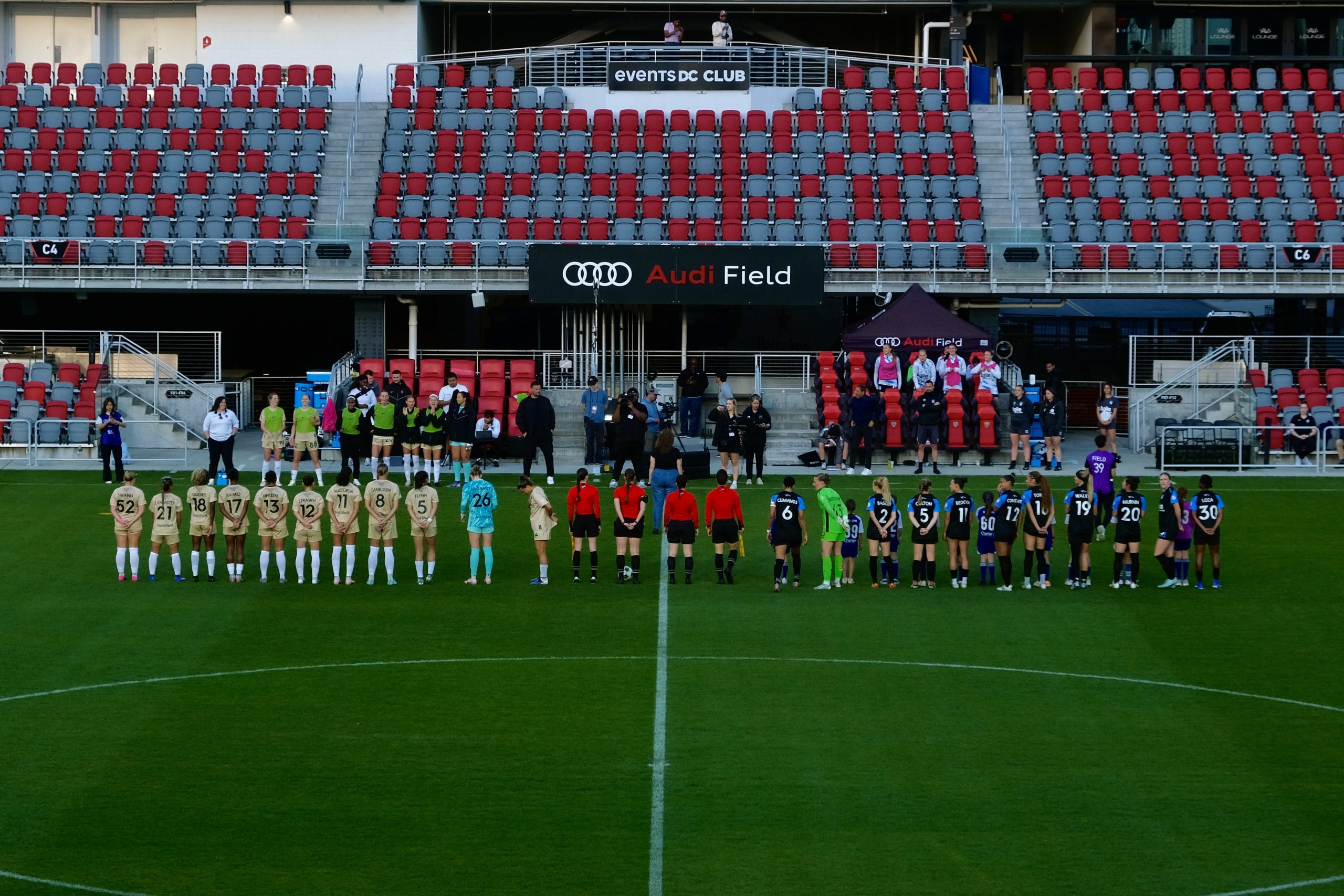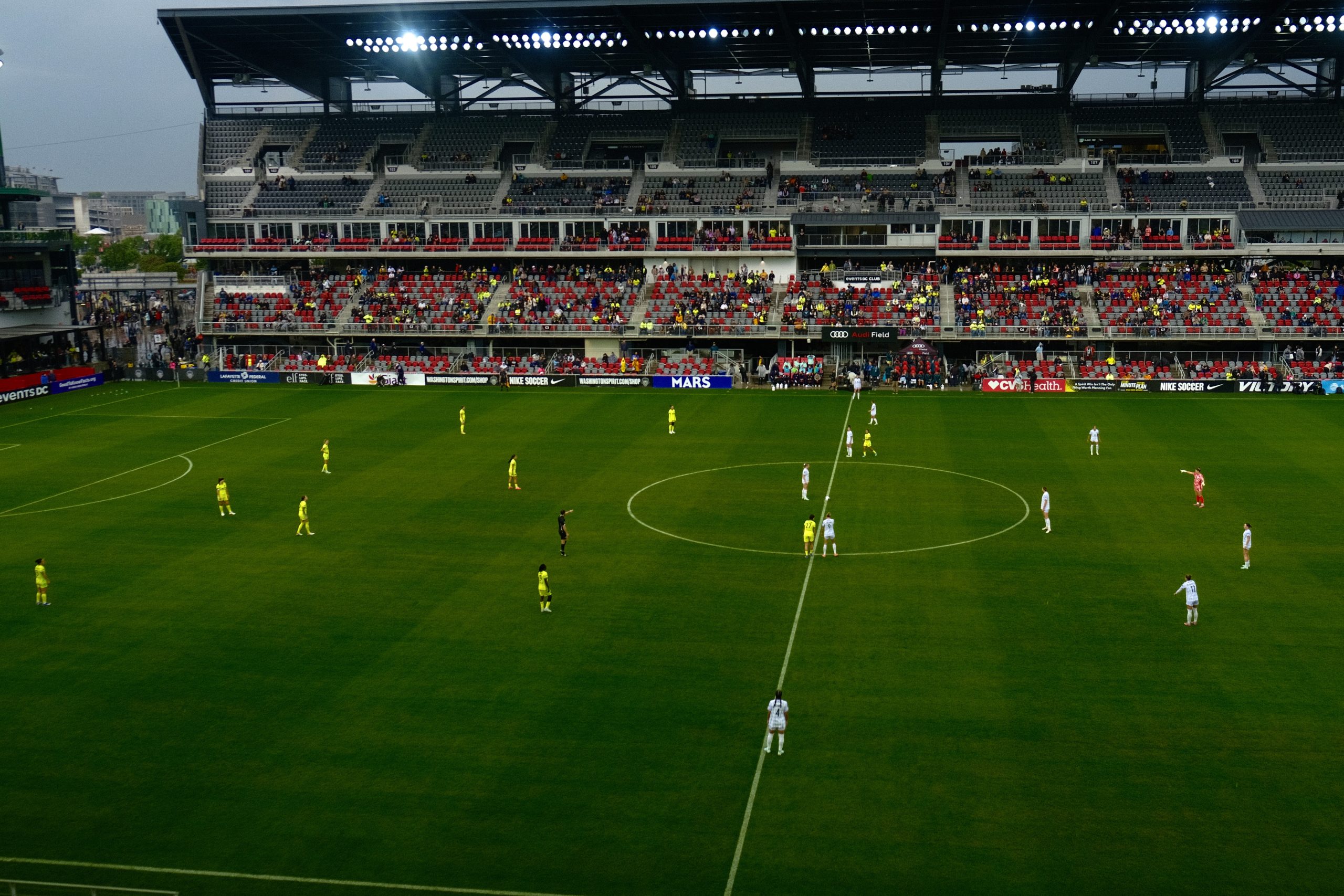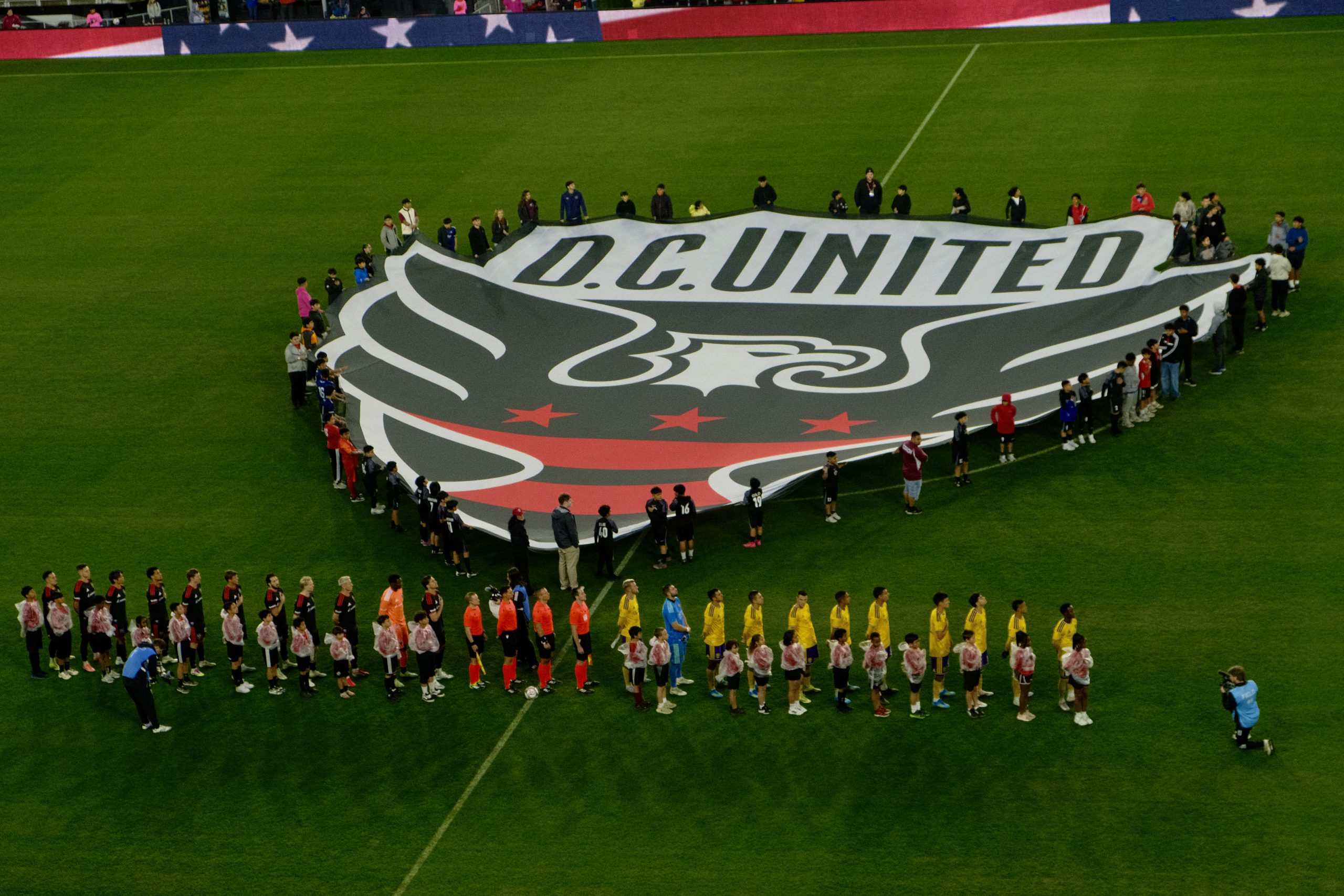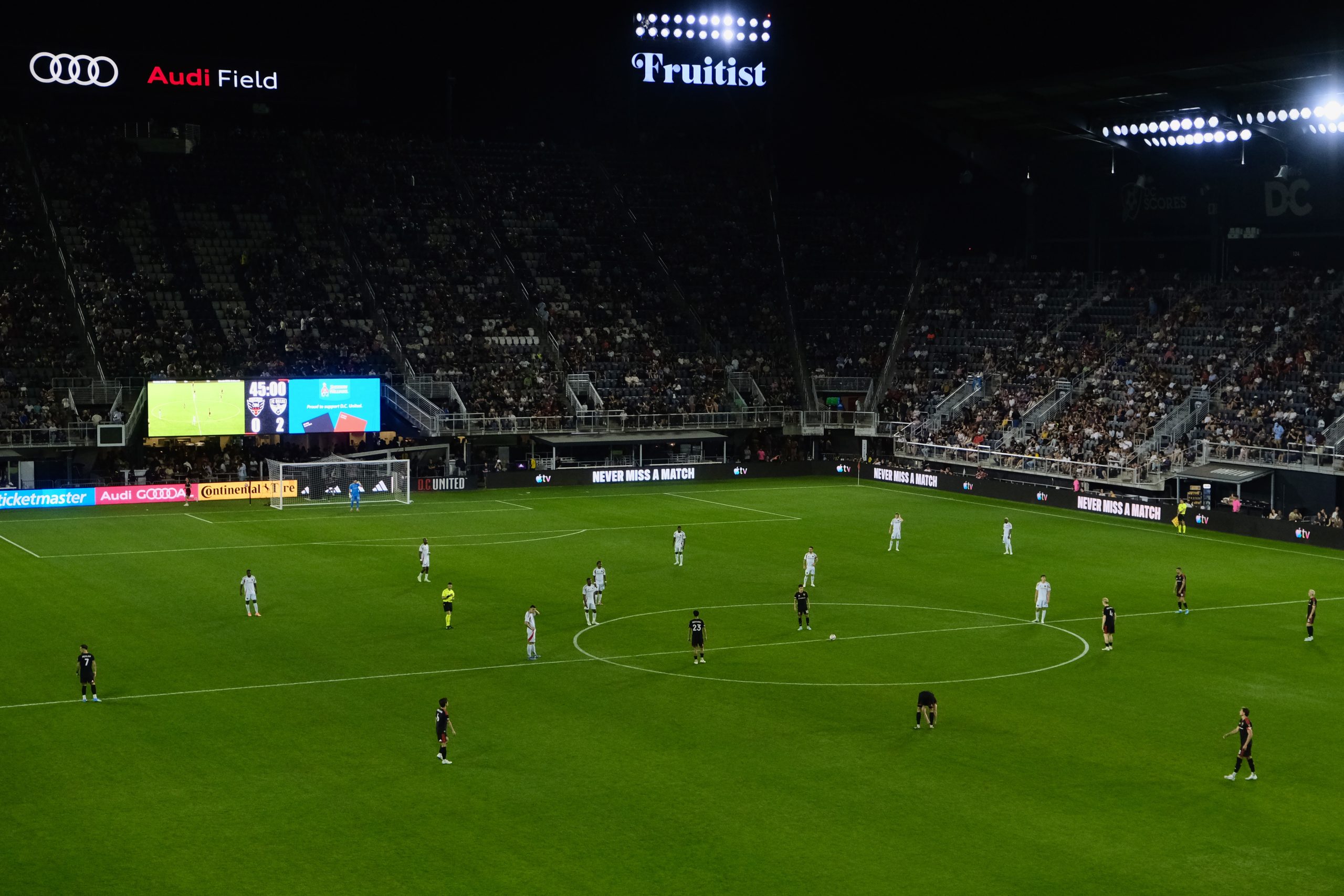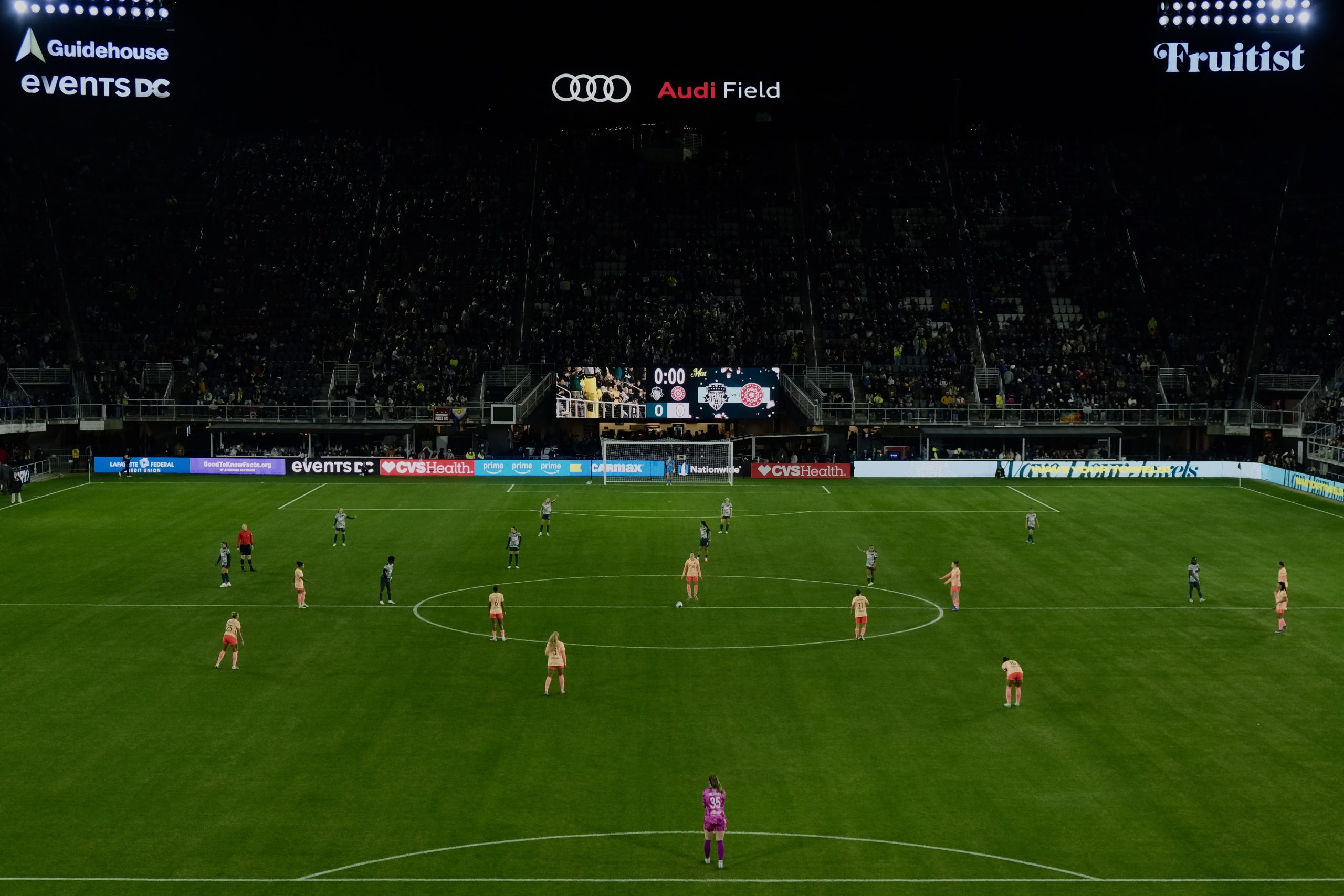
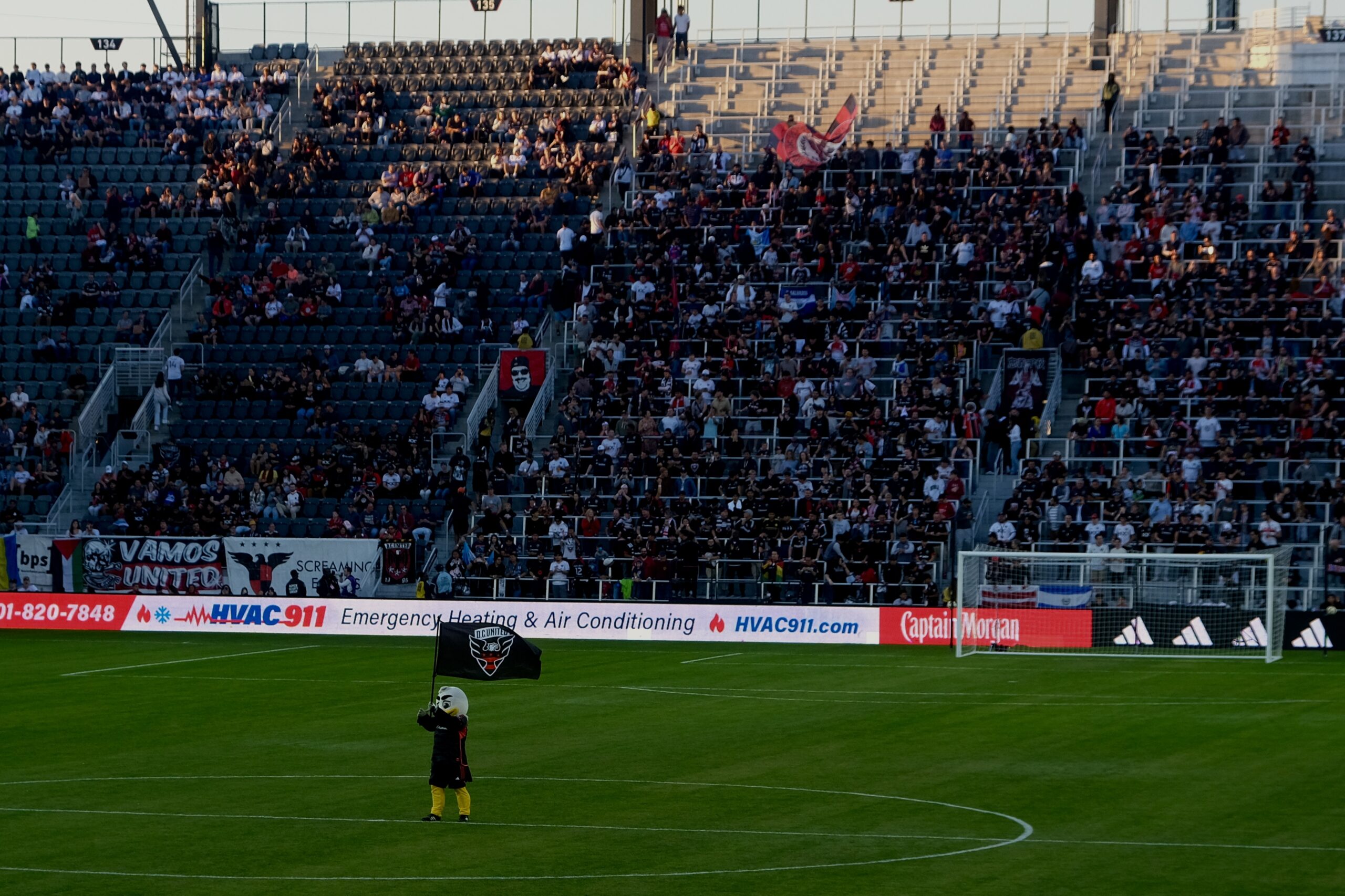
D.C. United suffered a 4-2 defeat to Austin FC last night, to the surprise of very few but the disappointment of many. On a night designed to celebrate the legacy of one of Major League Soccer’s most storied clubs, D.C. United fans left Audi Field frustrated, hopeless, and with little to celebrate.
Final. pic.twitter.com/mQG0inzFAJ
— D.C. United (@dcunited) July 27, 2025
For the last five years the club has descended to a tier of its own, showing little to no promise on the field and struggling to reconnect with the community off it. D.C. United is infected to the bones, and the only chance the club has to even sniff the type of success it built its reputation on is for Jason Levian and Stephen Kaplan to sell the club.
A Plunge From Grace
A few weeks ago the MLS dropped the second iteration of “archive” kits for 10 of the league’s clubs, each meant to tap into each team’s culture or history. D.C. United was one of this year’s group, releasing a white jersey featuring the black Adidas stripes across the chest as a nod to the club’s away kits worn during the earliest seasons of the league.
Our Legacy. Etched in the Archives.
— D.C. United (@dcunited) July 16, 2025
Shop Now: https://t.co/Sy3HArFwwJ pic.twitter.com/7sarDD5cKi
The club rolled the jersey out in a campaign that prominently features the phrase “Honor the Legacy.” When you have a legacy of winning four MLS Cups in the first six seasons of the league’s existence, it makes perfect sense that you would want to honor it. However, nothing outside of this jersey and campaign has shown that the current ownership has any interest in honoring any part of the club’s legacy.
The early trophies and subsequent successes stood on the foundation of deep connection with the passionate fan base. There was a mutual embrace between the club and supporters that made RFK Stadium an MLS fortress. It wasn’t perfect, but worked quite well.
United’s success dipped slightly entering the 2010s, though the club still regularly fought for and in the playoffs. But rumors of a new stadium started to split opinion, and the club became less interested in maintaining the historic stadium and more interested in prioritizing the new development. Then all of a sudden, in a matter of two seasons, everything changed.
After finishing 4th in the East the season prior, D.C. United finished second to last in the entire MLS in 2017. The next summer, the club cut the ribbon on Audi Field.
Things weren’t immediately bad, but the vibes were off. The new stadium was coupled with the headline signing of Wayne Rooney, and the combo helped D.C. stick around the playoff spots for a couple of seasons. But the little success that came felt reliant on the Rooney and Luciano Acosta partnership.
For a brief spell in 2018 and 2019, Luciano Acosta and Wayne Rooney formed one of the more memorable attacking partnerships in MLS history.
— The Athletic Soccer (@TheAthleticSCCR) October 6, 2022
Anyone else remember this goal?
🎥 @dcunited pic.twitter.com/Lfvy7TxAjf
It turns out that it was. Both players left after the 2019 season, and even with a brief Rooney managerial stint at the club in 2022-23, D.C. has failed to make the playoffs ever since.
Having spent more of recent seasons fighting to not be bottom of the league than trying to reach the playoffs, D.C. United would certainly face accusations of tanking if it was a team in any of the other American sports leagues where that provides an advantage.
It All Needs to Change
One of the more unfortunate parts of a situation like this is that the fans want to see the players do well, and for the most part the players do seem to try. Austin FC led 2-0 at halftime on Saturday night and heading into the second half it really didn’t feel like D.C. would do anything.
But the team came out with focus, and Gabriel Pirani cut the lead in half only a few minutes after the break and gave D.C. some unexpected momentum. Even when Austin extended their lead to 4-1 by the 92nd minute, United fought to draw a penalty that Christian Benteke, who was the top scorer in all of MLS last season, slotted home.
It’s things like this that makes it hard to say that the overall talent on the squad is just simply not good enough. It’s not necessarily for lack of effort, but the quality and organization of the team just can’t compete on a regular basis. Most of Austin’s goals came from some decent passing moves that left D.C.’s defense scrambling in ways that felt comical at times.
Myrto Uzuni finds the opener for @AustinFC! 💥
— Major League Soccer (@MLS) July 27, 2025
📺 #MLSSeasonPass or Apple TV+: https://t.co/EVtnI5qVhh pic.twitter.com/21qMYWApaK
A perfectly placed header by Owen Wolff 👏@AustinFC are flying! pic.twitter.com/9oP1GMG7RL
— Major League Soccer (@MLS) July 27, 2025
Brilliance from @AustinFC ✨
— Major League Soccer (@MLS) July 27, 2025
Bukari makes it 3-1 Verde! pic.twitter.com/JZHz3zpp3r
But the lack of cohesion on the field is merely a symptom. When the club doesn’t have a fully realized philosophy or direction that it wants to embody, it shows through the team’s play. The executive strategy has been so fixated on the business side of things that, ironically, the main “product” is nearly rotten, and they don’t bother to recognize it.
The only team doing worse than D.C. United in the Eastern Conference is C.F. Montreal Impact. Last week (check), the club put out a statement acknowledging that they have not been good enough and that the club will put concerted effort towards a rebuild.
Letter to the fans from Gabriel, Luca and Simone.#CFMTL pic.twitter.com/RrZ51mchjH
— CF Montréal (@cfmontreal) July 23, 2025
While in this day and age corporate statements like these could feel empty, there’s at least a recognition of the situation that can let fans know that the ownership sees the on-field product as a priority. To top it off, Montreal made the playoffs two of the last three seasons, so it’s not nearly as dire as D.C.
Meanwhile, United has focused its messaging on how many hot dogs were sold at hot dog night, or how the old players from the good times look in the new jerseys. Even drowning out Salvadorian night with Legacy night on Saturday showed a priority of marketing nostalgia over fostering the present community.
D.C. United is a foundational pillar of the MLS, and when the club is successful so is the league. Selling the team is the only way to honor its legacy, and save its future.